
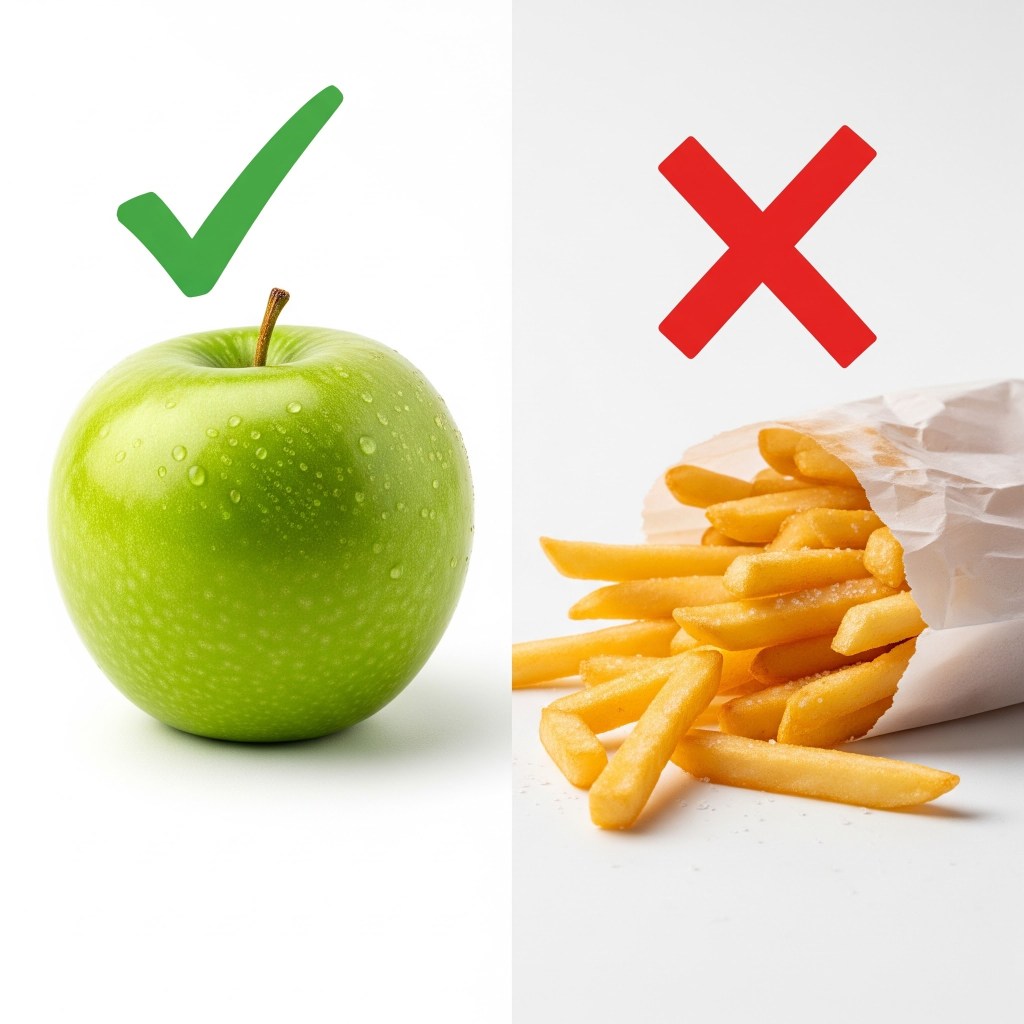
Serving meals in the Child and Adult Care Food Program (CACFP) is a rewarding way to ensure high-quality nutrition for those in care. However, the “crediting” rules—the rules that determine if a food is eligible for reimbursement—can be a learning curve for some. Serving a non-reimbursable food item doesn’t just impact nutrition; it means your program will not receive reimbursement for that entire meal or snack. To help you stay compliant, we’ve compiled the most common mistakes providers make.
1. The “Automatic No” List (Non-Creditable Foods)
These foods are considered non-creditable. While you may occasionally serve them as “extras,” they do not count toward any component of the USDA meal pattern.
- Salty Snacks: Potato chips, corn chips, veggie straws, and puffed snacks.
- Sweet Treats: Fruit snacks, fruit roll-ups, Jell-O (gelatin), and pudding.
- Desserts: Ice cream, sherbet, and grain-based desserts.
- Highly Processed Meats: Bacon, salt pork, and scrapple.
- Condiments: Ketchup, mustard, mayo, syrup, honey, and jam.
- Beverages: Fruit drinks (anything less than 100% juice) and water. Note: While water must be available, it is not a reimbursable component.
2. Component Red Flags & Sugar Limits
Even “healthy” foods can be unallowable if they exceed specific sugar limits or don’t match the age of the participants.
The Sugar Trap
- Breakfast Cereal: Must contain no more than 6 grams of added sugars per dry ounce (7 CFR 226.20(a)(4)(ii), effective October 1, 2025). Check the “Added Sugars” line on the Nutrition Facts label, not “Total Sugars.”
- Yogurt: Must contain no more than 12 grams of added sugars per 6 ounces (7 CFR 226.20(a)(5)(iii)(B), effective October 1, 2025). This replaced the older 23-grams-of-total-sugar standard.
Milk Type by Age
Serving the wrong milk is one of the most common reasons for a disallowed meal.
| Age Group | Allowable Milk Type (as of June 8, 2026) |
|---|---|
| 12–23 Months | Only unflavored whole milk. |
| 2–5 Years | Unflavored whole, reduced-fat (2%), low-fat (1%), or fat-free milk. Flavored milk is not creditable. |
| 6 Years & Up (and adults) | Whole, reduced-fat (2%), low-fat (1%), or fat-free milk — unflavored or flavored. |
3. Top 5 Common Compliance Mistakes
Mistake #1: Serving Grain-Based Desserts
As of 2017, grain-based desserts are no longer creditable. This includes granola bars, cereal bars, toaster pastries, and sweet crackers.
Mistake #2: Missing the CN Label
Store-bought breaded items like chicken nuggets, fish sticks, and frozen pizzas are not creditable unless you have a Child Nutrition (CN) Label or a Product Formulation Statement (PFS) on file. Without this documentation, the Meat/Meat Alternate component is considered zero.
Mistake #3: The “Juice Once” Rule
To meet component requirements, 100% full-strength juice can only be creditable at one meal or snack per day. If you serve juice at breakfast, any fruit or vegetable served at lunch or snack must be a whole food (fresh, frozen, or canned), not juice.
Mistake #4: Skipping the Whole Grain-Rich (WGR) Item
At least one serving of grains per day, across all meals, must be Whole Grain-Rich. During an administrative review, the lack of a daily whole grain-rich item can lead to the disqualification of a meal, resulting in a significant loss of reimbursement.
Mistake #5: Deep-Fat Frying On-Site
CACFP regulations strictly prohibit the preparation of foods via deep-fat frying on-site. While you can serve pre-fried foods (like frozen nuggets) that are reheated in an oven, you cannot use a deep fryer in your facility.
Don’t Let Compliance Stress You Out
Navigating the USDA Food Buying Guide and the ever-changing CACFP Handbooks can feel like a full-time job. One small oversight on a label or juice serving can put your reimbursements at risk.
Our CACFP Support Team is here to help. With 30+ years of experience specializing in CACFP food requirements and compliance, we have helped countless providers streamline their menus and pass administrative reviews with flying colors. We know the regulations inside and out so you don’t have to.
Ready to ensure your program is 100% compliant?
Book a call today to speak with our experts and get the guidance you need to navigate these requirements with confidence.